A Designer's Take on Minimalist Banana Leaf Line Art
When you’re selecting a design for embroidery, especially for client work or products you plan to sell, it’s not just about finding something pretty. It’s about evaluating a design’s practical soul—its ability to translate from a digital file into a beautiful, durable, and commercially viable stitched piece. That’s the lens I’m using today to look at Minimalist Banana Leaf Line Art. This isn’t a spec sheet review; it’s a hands-on assessment of how this design feels, stitches, and sells in the real world.
The Quiet Confidence of a Simple Line
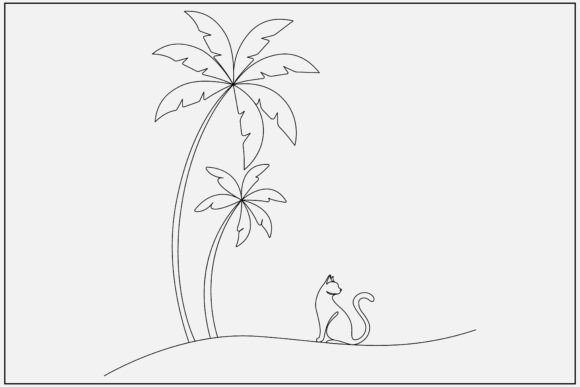
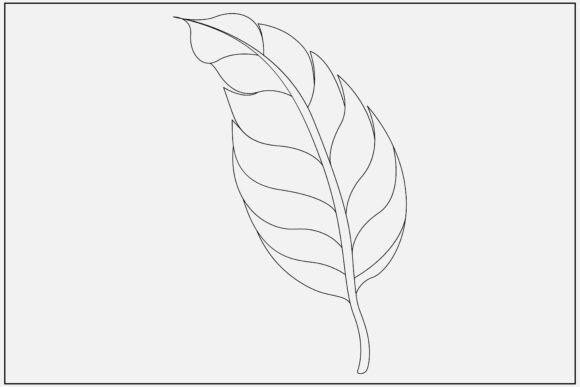
The first impression of this Minimalist Banana Leaf Line Art is one of calm, clean sophistication. It doesn’t shout. It’s a design that understands its role as an accent, a tasteful statement. The single, flowing line that forms the leaf creates a sense of organic movement without any clutter. This isn’t a botanical illustration; it’s a graphic symbol. That visual personality tells me it belongs on projects where subtlety is valued—think a boutique linen pillow cover, a minimalist tote bag for a craft fair, or a delicate corner motif on a baby blanket. The mood it creates is modern, slightly tropical, and effortlessly chic.
Where This Design Finds Its Home
In practical embroidery situations, this line art thrives on surfaces where its simplicity can shine. I immediately picture it on a crisp, white chef’s apron or a canvas tote bag—the clean line contrasting against the fabric texture. For custom apparel, like a relaxed-fit sweatshirt or a high-quality t-shirt, it offers a less-is-more alternative to dense, colorful logos. It’s perfect for personalized gifts: a single leaf embroidered on a cotton tea towel or the corner of a pillow cover makes for a thoughtful, handmade wedding or housewarming present.
For small business owners and Etsy sellers, this design is a versatile design asset. It can anchor a whole product line—the same Minimalist Banana Leaf Line Art could appear on mugs (via printable mockups), patches, and baby items, creating strong brand consistency. Its uncluttered nature translates well into digital product previews and adds a layer of perceived professionalism to your listings. Customers looking for something unique but not overwhelming will be drawn to it.
The Stitching Reality: Clarity and Considerations
How does this design perform when the machine starts running? A single-line design like this relies heavily on stitching clarity. The success of the finished product hinges on the crispness of that line. On smooth, stable fabrics like cotton twill or quilting cotton, with appropriate stabilizer, it should translate beautifully into a clean running stitch or a delicate satin stitch outline.
However, this is where the practical designer’s mind kicks in. We must consider where to use it carefully. On highly textured fabrics like some sweater knits or looped towels, a fine line might lose definition. On dark fabrics, thread color contrast is paramount—a light, bright thread is essential for the design to pop. Stitch density is likely low, which is good for lightweight or stretchy fabric, but you need to ensure the design isn’t so sparse that it looks incomplete.
Navigating the Tricky Surfaces
Embroidering on curved surfaces like caps requires special attention. The long, sweeping curve of the leaf might need slight adjustment in placement to look balanced on the cap’s front panel. For items that undergo frequent washing, like baby clothes or kitchen towels, using a robust thread and ensuring secure stitch anchors at the start and end points of the line is crucial for longevity. I wouldn’t recommend scaling this down too much for a very small hoop size, as the elegant curve could become lost and look more like a vague squiggle.
Impact on Your Business and Your Customer
Choosing a design like this affects more than just the stitch. It influences customer trust and buyer engagement. A clean, well-executed minimalist design on a product communicates care and intentionality. It elevates the handmade presentation from “crafted” to “designed.” This enhances product value. A tote bag with a chaotic, overly busy embroidery might feel cheap; the same bag with this single, graceful leaf feels curated and premium.
Its giftability is high because it’s not taste-specific; it’s a universally pleasant natural motif. For the maker, it’s a efficient embroidery project—likely quick to stitch, using few thread colors, which helps with profitability for small shop merchandise. Its recognizability as a banana leaf is subtle, which can be a strength, allowing it to serve as a generic botanical accent for those not specifically seeking a tropical theme.
A Real-Life Scenario: The Boutique Tote
Let’s walk through a real case. Imagine you’re preparing a batch of embroidered tote bags for your boutique or Etsy shop. You want something that feels summery but not kitschy, artisanal but not rustic. You open the ZIP file containing this Minimalist Banana Leaf Line Art. Before hooping your first bag, you test it on a scrap of the same canvas fabric. You check the stitch path, looking for any tiny jumps or details that might pucker. You decide on a soft sage green thread for a natural look. Stitched out, the design is a single, flowing shape on the bag’s front. It doesn’t dominate the bag; it complements it. When a customer sees it, they don’t ask “What is it?”—they appreciate the simple elegance. It becomes a signature item for your shop, easy to reproduce consistently across many bags.
Essential Notes Before You Hoop
Here are my practical, must-do steps for any designer or crafter using this or any similar embroidery file:
- Always test on scrap fabric first. Use the same material and stabilizer you plan for the final project. This reveals how the line interacts with the fabric’s texture.
- Check thread color contrast thoroughly. View the design in black and white mockups on your screen to judge value contrast, then test both light and dark fabric backgrounds physically.
- Inspect the small details. Even in minimalist art, the start and end points of the line, and the smoothness of the curve, are critical for a polished finish.
- Confirm your hoop size and placement. Ensure the design scale feels balanced on your specific product—a pillow cover might need a larger version than a cap.
- Verify the licensing. The product is categorized under Illustrations and Graphics. Before selling finished items or using it in commercial embroidery projects, confirm the terms allow for commercial use of the finished physical products. The digital file itself is for your use, but the rights to sell what you make with it need to be clear.
In conclusion, Minimalist Banana Leaf Line Art is a design with a quiet power. Its strength lies in its restraint, making it a superb choice for makers who value clean aesthetics and practical stitching efficiency. It’s not a design for every project, but for the right project—a personalized gift, a boutique home good, a piece of minimalist apparel—it can be the perfect, subtle statement that turns a simple item into a thoughtful, professional-looking finished product. Approach it with a thoughtful setup and an understanding of its minimalist nature, and it will repay you with elegant, consistent results.