A Designer's Look at Cocktail and Beverage Line Art
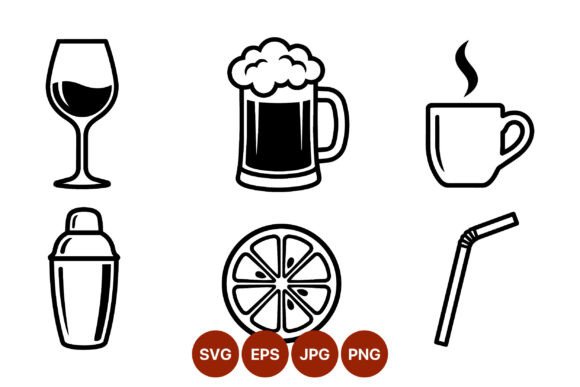
Let me be honest from the start: when I first saw the Wine Beer Coffee Cocktail Icons, I thought, "Okay, another icon set." But I opened it, pulled the files into my embroidery software, and my first impression shifted. This isn't just clip art; it's a collection of shapes with a distinct, clean personality. The mood is modern, casual, and universally understood—a sort of graphic shorthand for good times, morning routines, and celebration. As an experienced embroidery designer, my brain immediately started pairing these simple, bold outlines with real fabric.
Where These Icons Naturally Belong on Fabric
I was preparing a custom order for a client—a set of kitchen towels for a newly opened café. They wanted something graphic, not floral, that spoke to their menu. This icon set landed perfectly. The steaming coffee cup and the lemon slice were instant contenders. The beauty here is the versatility. These graphics don't scream "theme"; they whisper it. This makes them incredibly adaptable.
Think about a simple tote bag for a coffee lover: a single, well-placed coffee cup icon embroidered on the corner. Consider a set of patches for a home bartender's apron, featuring the cocktail shaker and wine glass. Imagine a baby's burp cloth for a crafty parent who loves wine, with a subtle, small wine glass icon—a humorous, personal touch. The clean lines suggest they'd stitch beautifully onto caps and hats, where curved surfaces often distort detailed designs. For holiday gifts—like embroidered pillow covers for a couple who enjoys hosting—these icons become a subtle, stylish pattern. They lend themselves to repeat placements or single, statement accents.
The Real Test: How They Perform When Stitched
In practical embroidery situations, line art like this is a friend and a foe. The friend part: simple outlines usually translate well into running stitch or a crisp satin stitch border. The lack of dense fill areas means lower stitch counts, faster embroidery times, and less risk of puckering on tricky fabrics like stretchy t-shirts or thin linens. For a handmade product, this efficiency translates to better profit margins and a cleaner finished look.
The foe part, which requires careful handling, is in the tiny details. The foam on the beer mug, the bend in the straw—these are small elements. On a textured fabric like a sweater or a towel, these fine lines could lose clarity if the stitch type and density aren't chosen wisely. I always advise testing on a scrap of the actual project fabric first. Check your thread color contrast. On dark fabric, these black-and-white designs will need a bright white or a contrasting thread to pop, not just a standard black. The bent straw, in particular, on a very small hoop size, might require a slight simplification to maintain its shape.
Careful Application: When to Think Twice
This design set is strong, but like any embroidery file, context matters. On layered garments with seams or on curved surfaces like the crown of a cap, those perfectly straight lines of the wine glass might need adjustment in digitizing to account for the fabric's pull. For products destined for frequent washing—like baby clothes or kitchen towels—ensure your stabilizer choice is robust so these clean lines don't distort over time.
The biggest consideration is scale. These are illustrations, not micro-designs. Trying to stitch the entire set of six icons onto a tiny baby bib will likely result in a muddy, crowded look. They shine as individual accents or as a thoughtfully spaced group on larger items like sweatshirts, tote bags, or pillow covers. Their visual appeal lies in their graphic simplicity, which amplifies the perceived value and professionalism of your finished product. A customer sees a crisp, recognizable icon on a custom apparel item and trusts the craftsmanship.
Designer Notes for Your Project Success
Before you commit to your hoop, here’s my practical workflow advice. First, always test the embroidery file on a scrap of your intended fabric. This reveals how the details like the lemon slice segments behave. Second, play with the placement in your software. Do these icons look better clustered or solo? Third, consider the fabric background. A light fabric makes the black line art bold; a dark fabric might necessitate using the white line version or a bright thread color. This directly affects the handmade presentation and giftability—a well-executed contrast feels premium.
For commercial embroidery projects or for craft business items you plan to sell, like patches or branded merchandise, these graphics offer a cohesive, brand-friendly look. They could be used across a line of products—aprons, shirts, tea towels—creating strong brand consistency. For Etsy sellers and digital product sellers, these icons are excellent assets for creating printable mockups to showcase your finished products online.
Finally, a crucial note: the product description mentions the download includes SVG, PNG, and J files. For embroidery, you'll need a specific machine embroidery file format. This set appears to be provided as graphic source files. This means you, or your digitizer, will need to convert these illustrations into a proper embroidery file, setting parameters for stitch types, density, and underlay. Always confirm the licensing terms before using any design for commercial projects or selling finished items. Understanding whether you have permission for commercial use is foundational to your business integrity.
The Final Stitch: Why This Set Earns a Place in My Library
Reviewing the Wine Beer Coffee Cocktail Icons from a maker's perspective, they pass the test. They have a clear, modern visual personality that translates well into the physical world of thread and fabric. They encourage creative application across a wide range of projects—from personalized gifts to small shop merchandise. Their strength is their simplicity, which, when handled with an embroiderer's care regarding scale, fabric, and stitch execution, results in clean, engaging finished products that customers recognize and appreciate. They aren't overly complex, which makes them a reliable choice for both hobbyists and professional decorators looking to add a bit of graphic, everyday charm to their work.