Lion Line Art: A Minimal Embroidery Design Review
When a design arrives as a simple, compressed file, the real evaluation begins only after you’ve opened it and pictured it stitched on fabric. Today, I’m looking at the Lion Line Art Minimal Design from the perspective of a designer who needs reliable, beautiful assets for real projects—client gifts, shop merchandise, and personal craft work. This isn't about specs; it's about how this graphic translates into thread.
The First Impression: Quiet Strength for Modern Projects
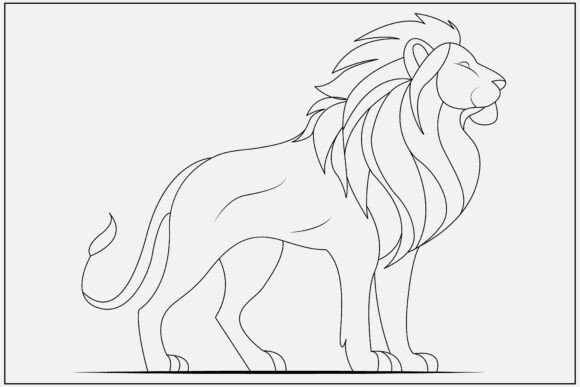
The immediate appeal of this lion line art is its serene confidence. It’s not a roaring, detailed beast; it’s a composed silhouette built from clean, continuous lines. This creates a mood of modern calm and timeless strength. The shape is balanced, with a layout that feels inherently stable—perfect for an embroidery design that needs to act as a focal point without overwhelming a garment or home decor item. Its visual personality is sophisticated yet approachable, which is a sweet spot for handmade products.
I instinctively pictured it on a minimalist tote bag for a boutique or a subtle accent on a linen pillow cover. This design belongs to projects where the artistry of embroidery itself is meant to shine, where the stitch work complements the simplicity of the graphic.
Where This Lion Roars in Real Embroidery Applications
Let’s walk through a real scenario. Imagine you’re preparing a custom embroidered sweatshirt for a client’s birthday gift. They want something unique but not flashy. You load this lion line art embroidery file. Because it’s minimal, the stitch path is likely clear and uncluttered, which is excellent for maintaining stitching clarity on textured fabrics like fleece. On a sweatshirt, a design like this becomes a tasteful statement.
Its applications are broad, as the description suggests. For a baby’s blanket or nursery decor, the gentle lion motif feels protective and sweet, avoiding any aggressive imagery. As an embroidered patch on a canvas cap, the lines would need to be assessed for small curves, but the overall bold shape should translate well. On a kitchen towel or apron, it becomes a striking decorative accent. For small business merchandise, like Etsy listings for embroidered tote bags or pillows, this design offers a ready-made, professional design asset that elevates the perceived value of the finished product.
In commercial embroidery projects, such as a small run of logo patches for a brand, this lion’s clean lines could foster strong brand consistency and recognition. It feels giftable, professional, and engages buyers looking for something beyond generic graphics.
Considering Visual Appeal and Customer Trust
Using a design of this caliber affects more than just aesthetics. When a customer sees a handmade product with crisp, well-executed line work, it builds trust. It signals that the maker cares about quality. The minimalist approach also means the embroidery itself—the choice of thread color, the stitch type—becomes a feature. Will you use a classic satin stitch for the lines or a running stitch for a more rustic feel? That decision directly influences the final handmade presentation.
Practical Ground: Where to Use This Design Carefully
No design is universally perfect, and a thoughtful embroidery designer always considers limitations. The lion line art, with its presumably continuous lines, should be approached with care in a few key situations.
On very small hoop sizes, the integrity of the lines could suffer if the design is scaled down too much; tiny details might merge. On stretchy fabric like thin t-shirts, stabilizer choice is paramount to prevent distortion of those clean shapes. Dark fabric backgrounds require high-contrast thread colors to keep the design visually sharp; a test on scrap fabric is non-negotiable here.
Embroidering on curved surfaces like caps demands attention to how the longer lines adapt to the curve. Also, for products destined for frequent washing, such as baby clothes or kitchen linens, the stitch density should be appropriate to ensure durability—a dense fill stitch might be too rigid, whereas a lighter running stitch might be more forgiving. Always inspect the digital embroidery file for any exceptionally tight corners or junctions that could pose a challenge on certain machines or fabrics.
Essential Embroidery Designer Notes Before Hooping Up
Before committing this lion to a final project, my routine would involve several checks. First, I’d stitch it out on a scrap of the intended fabric—both a light and dark version if possible. This reveals everything: thread color contrast, how the fabric texture interacts with the lines, and whether the stitch density feels right.
I’d also review it in simple black and white printable mockups to gauge its impact as a digital product preview or for listing photos. Confirming the hoop size needed for the desired final product size is basic but critical. Most importantly, I’d verify the licensing terms for this graphic. Can it be used for commercial embroidery, selling finished items like custom apparel or patches in my small shop? That clarity is the foundation of a professional craft business.
Remember, a design like this is a tool. Its success depends on your skillful application. Pair it with proper stabilizer, thoughtful thread selections, and a clear understanding of its intended use—personalized gift or small shop product—to unlock its full potential.
A Final Thought on Minimalism in Thread
The Lion Line Art Minimal Design succeeds by offering a strong, versatile motif that puts the craftsmanship of embroidery front and center. It’s a graphic that doesn’t fight with the medium; it collaborates with it. For embroidery designers, crafters, and creative entrepreneurs, that’s a valuable asset. It provides a canvas for your skill, allowing you to create finished products that feel both contemporary and handcrafted. In the world of machine embroidery design, sometimes the simplest lines leave the most lasting impression.